By Rocky Leal
August 21, 2026
A dependable vehicle depends on many systems working together. The engine, transmission, brakes, steering, suspension, electrical components, cooling system, and tires all influence how a car performs. Even when a vehicle appears to be driving normally, wear can develop gradually in components that are difficult for a driver to evaluate without professional knowledge. Routine inspections and professional service help reveal concerns before they interfere with reliability, comfort, or safety.
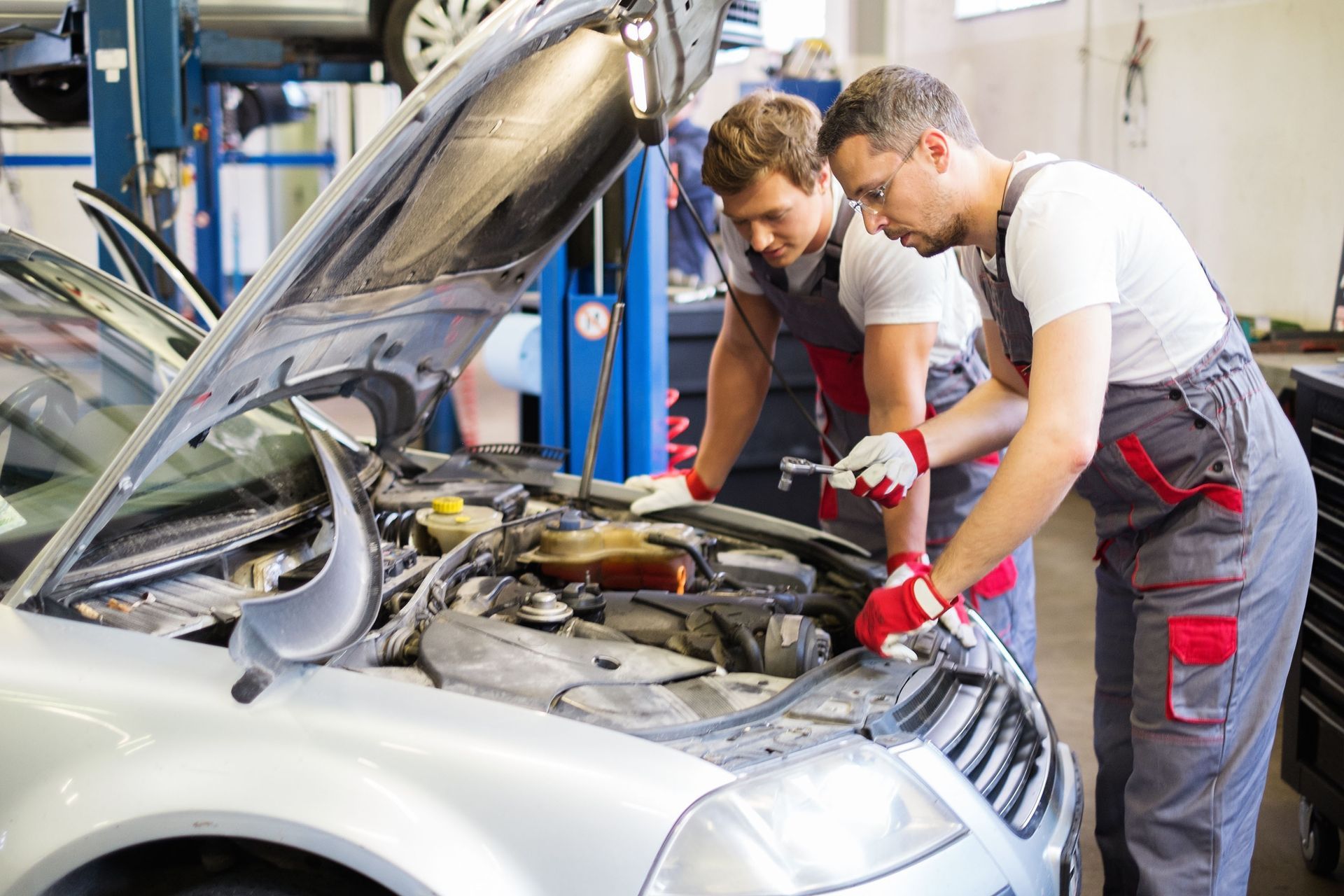
Experienced auto mechanics evaluate the vehicle as a complete system rather than focusing only on the most obvious symptom. A vibration, unusual sound, warning light, fluid leak, or change in handling may have several possible causes. Professional evaluation helps identify where the issue originates and whether other components have been affected. This broader perspective supports more accurate repairs and can prevent unnecessary replacement of parts that are still functioning properly.
Preventing Small Problems From Becoming Larger Repairs
Many automotive problems begin with relatively subtle signs. A small leak can eventually lead to low fluid levels, while a worn belt, hose, bearing, or seal can place additional stress on nearby components. Ignoring those early indications may allow a manageable repair to become more extensive. Professional inspections are valuable because trained technicians know what types of wear deserve attention and how one concern may affect another.
Preventive attention can also reduce unexpected disruptions. A breakdown may affect work, family responsibilities, travel, or other commitments, and emergency repairs can be particularly inconvenient. Keeping up with inspections and recommended maintenance gives technicians opportunities to identify vulnerable components before failure occurs. While no maintenance program can eliminate every unexpected issue, consistent professional care can significantly improve preparedness and reliability.
Maintaining Engine Performance and Efficiency
The engine must operate under demanding conditions while managing heat, friction, fuel, air, and combustion. Its performance depends on numerous supporting components, including filters, fluids, ignition components, sensors, belts, hoses, and the cooling system. When one of these areas begins to deteriorate, drivers may notice reduced power, rough operation, unusual noises, poor responsiveness, or changes in fuel consumption.
Professional auto mechanics use inspection procedures and diagnostic equipment to determine what is affecting engine performance. Modern vehicles rely heavily on electronic controls, which means a warning light may point to a system that requires further testing rather than identifying one specific failed part. Reading diagnostic information is only part of the process. Technicians must interpret that information alongside physical symptoms, operating conditions, and inspection findings.
Protecting Braking, Steering, and Suspension Systems
Vehicle control depends heavily on the condition of the braking, steering, and suspension systems. These components influence stopping, stability, tire contact, ride quality, and responsiveness. Because wear can develop progressively, a driver may adapt to subtle changes without realizing how much the vehicle’s behavior has shifted. Professional evaluation provides an objective way to determine whether components are performing as intended.
Skilled auto mechanics can inspect brake components for wear and evaluate concerns such as pulling, vibration, unusual noises, changes in pedal feel, or reduced responsiveness. Steering and suspension inspections can similarly reveal worn components that contribute to looseness, uneven tire wear, poor handling, or an uncomfortable ride. Identifying the actual source is important because several different components can create similar symptoms.
Managing Fluids, Filters, and Routine Maintenance
Routine maintenance may seem simple compared with major mechanical repairs, but it plays a central role in vehicle longevity. Fluids lubricate moving parts, transfer hydraulic pressure, control temperature, and protect internal components. Filters help keep contaminants away from sensitive systems. When fluids deteriorate or filters become restricted, the effects can spread beyond the maintenance item itself.
Reliable auto mechanics can determine which maintenance services are appropriate based on the vehicle, its condition, manufacturer guidance, and how it is used. This matters because maintenance needs are not identical for every driver. Frequent short trips, heavy traffic, towing, extended highway driving, dusty environments, and extreme temperatures can influence wear and service needs. A professional can consider these factors when evaluating the vehicle.
Replacement parts also require informed decisions. According to the Federal Trade Commission, replacement auto parts generally fall into three broad groups: newly manufactured parts, parts restored to usable working condition, and salvaged parts taken directly from other vehicles. Understanding the type and condition of a component helps vehicle owners discuss repair choices more clearly with a repair professional. Appropriate parts selection depends on the specific repair, vehicle, availability, and other practical considerations.
Diagnosing Warning Signs With Greater Accuracy
Drivers are often the first to notice that something feels different. Warning lights, odors, noises, vibrations, leaks, hard starting, reduced acceleration, or changes in handling can all signal that a vehicle needs attention. The challenge is that symptoms do not always reveal their cause. A noise heard near one area may originate somewhere else, and a warning light can be triggered by several possible faults.
Professional auto mechanics combine the driver’s observations with testing, inspection, and technical knowledge. This diagnostic process is important because replacing parts based solely on a symptom can lead to unnecessary costs without correcting the underlying problem. Accurate diagnosis narrows the possibilities and helps ensure that repair recommendations are connected to evidence found during evaluation.
Technology has made this expertise even more important. Modern vehicles contain interconnected computers, sensors, modules, and electronic controls alongside traditional mechanical systems. A fault in one area can affect another or produce symptoms that seem unrelated. Technicians who understand these relationships are better positioned to trace problems logically and determine what the vehicle actually needs.
Supporting Reliability Through Consistent Professional Care
A vehicle that receives consistent attention is easier to understand and maintain. When service is postponed until something fails, owners may face several concerns at once and have less flexibility in deciding when repairs occur. Routine professional care creates opportunities to monitor wear, plan for upcoming needs, and address changes before they become urgent.
Working with knowledgeable auto mechanics can also improve communication about the vehicle’s condition. Drivers benefit when they understand which repairs are necessary now, which maintenance items are approaching, and which areas can simply be monitored. Clear explanations make it easier to prioritize expenses and make decisions based on safety, reliability, and the expected use of the vehicle.
Consistency can be particularly useful as a vehicle ages. Older vehicles may remain dependable when wear is managed thoughtfully, but they often require closer attention to seals, hoses, suspension components, electrical connections, cooling systems, and other aging parts. Regular inspections allow these changes to be evaluated in context rather than treated as isolated surprises.
Preserving Smooth Performance for the Road Ahead
Keeping a vehicle running smoothly involves much more than responding when something breaks. Maintenance, inspection, diagnostics, and timely repairs all contribute to dependable performance. Professional care helps connect the symptoms a driver notices with the mechanical or electronic conditions causing them, creating a more informed path toward repair.
Skilled professionals provide valuable support throughout a vehicle’s life by monitoring wear, identifying developing problems, and helping owners understand maintenance priorities. That professional attention can contribute to safer operation, more predictable performance, and fewer preventable disruptions. When drivers treat automotive service as ongoing care rather than an emergency response, they are better positioned to protect the vehicle they rely on every day.
Choosing Professional Care for Your Vehicle
At Murrieta Tire And Auto Repair, we understand how important dependable transportation is to your daily routine. Our team can help evaluate maintenance needs, diagnose concerns, and provide professional repair services designed to keep your vehicle performing smoothly. Contact us to discuss your vehicle’s condition and learn how we can help you stay confident on the road.
We are committed to helping drivers make informed decisions about maintenance and repairs without overlooking the details that affect long-term reliability. Whether your vehicle needs routine attention or you have noticed a change in the way it drives, our team is ready to assess the concern and explain the recommended service clearly.